Showing posts with label physical therapist davie. Show all posts

Thursday, March 16, 2023

2023 South Florida Community Events


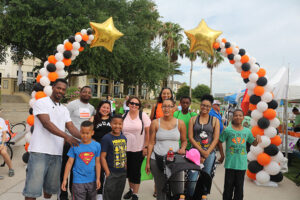
Miami Kidney Walk

CardioFlex Therapy enjoys supporting mission-focused causes by participating in fundraisers and local community events throughout the year. We would like to continue raising awareness of these causes and community organizations, and the people that they are trying to help.

Here are a few community events to participate in and support this season!

Alzheimer’s Association of Southeast Florida: Walk to end Alzheimer’s
Saturday, November 18th, 2023 at 8am-Nova Southeastern University
The Alzheimer’s Association Walk to End Alzheimer’s® is the world’s largest fundraiser for Alzheimer’s care, support and research. This inspiring event calls on participants of all ages and abilities to join the fight against the disease.

American Cancer Society: Relay For Life
Saturday, April 29th, 2023 at 3pm- Plantation Central Park
The American Cancer Society is the leading cancer-fighting organization with a vision of ending cancer as we know it, for everyone

American Lung Association of Ft Lauderdale: Lung Force Turquoise Takeover 
Saturday, May 7th, 2023- Saturday, 13th, 2023- Virtual
The American Lung Association is the leading organization working to save lives by improving lung health and preventing lung disease through education, advocacy and research.

National Kidney Foundation: Miami Kidney Walk
Sunday, March 26th, 2023 at 8am- Coral Reef Park
The mission of the NKF of Florida is to prevent kidney and urinary tract diseases, improve the health and well-being of individuals and families affected by these diseases, and increase the availability of all organs for transplantation.

United Community Options of South Florida- Buen Provecho Miami 
Sunday, April 16th, 2023 at 6:30pm- Biltmore Hotel-Coral Gables
United Community Options advocates for children and adults living with unique abilities or social inequalities, providing opportunities to achieve a full, rewarding life beyond limits.

For more info visit: www.cardioflextherapy.com

Thursday, September 8, 2022

How to Tie a Theraband

 By: Terry Abrams

Most people have no idea how to tie a Theraband correctly. There are even Therapists who may not know how to tie it correctly either. In this video, we will both explain and demonstrate how to tie a Theraband so that you can exercise with it, and then untie it rapidly without any issues.

A Theraband or resistance band is a synthetic rubber band used for Physical Therapy and light strength exercises. Your PT will most likely use it to isolate strength training for specific muscles that have been affected secondary to a surgery or a non surgical injury/condition. There are several ways to tie a Theraband. Most people tie the band in a simple knot, although this isn’t the best way to tie it because then it’s time consuming to get the knot out. We like to call this simple knot “the lifetime” knot.” You’ll be spending what seems like the rest of your life trying to untie this knot.

The easiest and most useful way to ensure you get those most out of your training session is to tie the Theraband properly with either the Bow Tie or Half Bow Tie knot. For the Bow tie knot, you should have a full bow tie on both ends. To achieve the Half Bow Tie knot you are going to tie it as if you would a bow tie but the other side of the bow is going to come all the way through straight and the other end is a bow tie. When you undo either of these knots, it should be an easy release. There shouldn’t be a knot getting in the way of you untying it, and it will undo rapidly.

Check out our Youtube Video on How to Tie a Theraband below:

For more info visit: www.cardioflextherapy.com

Tuesday, April 26, 2022

CardioFlex Therapy Joins Oscar HealthCare

By: Terry Abrams 

CardioFlex Therapy is excited to announce our joining of Oscar HealthCare insurance as of April 27th, 2021. As an In-Network provider of Physical Therapy and Occupational Therapy, CardioFlex now accepts all plans from Oscar Health including Marketplace, Medicare and Medicaid insurance coverage. CardioFlex Therapy performs Physical Therapy and Occupational Therapy, located in Davie, FL and in the homes of our patients.

Founded in 2012, Oscar provides consumers with access to the affordable, high-quality health care they deserve. They began by offering health plans in the Individual market because Oscar believed it was where their member-first approach would set them apart. After only seven years of selling health insurance in the Individual market, their strategy has proved out.

Oscar is now the third largest for-profit national insurer in the Individual market in the United States based on membership, and has expanded to Small Group in 2017 and Medicare Advantage in 2020. As of 2022, they have at least one health plan in 607 counties across 22 states and expect to expand in the years ahead both geographically and with great respect to insurance markets.

Oscar is tackling health care’s biggest problems by providing more for Americans with access to the affordable, high-quality health care they deserve. It starts with reorienting consumers’ expectations of their insurer, and earning something that is all too rare in the health insurance industry: member trust.

Whether you need Outpatient or Home Physical Therapy or Occupational Therapy, please call CardioFlex Therapy for PT & OT information on how we can best help you at our Outpatient Clinic in Davie at 954-693-9090.

For more info visit: www.cardioflextherapy.com

Thursday, March 11, 2021

CardioFlex Therapy joins Ambetter

CardioFlex Therapy is excited to announce we have joined the Ambetter & Sunshine Health network. As an In-Network provider of Physical Therapy and Occupational Therapy, CardioFlex now accepts all plans from Ambetter & Sunshine Health, including Marketplace, Medicare, and Medicaid insurance coverage. CardioFlex Therapy performs Physical Therapy & Occupational Therapy in our Outpatient Clinic, and in the homes of our patients.


Ambetter from Sunshine Health is Centene Corporation‘s Health Insurance Marketplace product. Their approach is based on the core belief that quality healthcare is best delivered locally. Ambetter and Sunshine Health offers coverage with no lifetime limits, pre-existing conditions, increased coverage for kids, increased preventive care for adults and seniors, and preventive care for women.

Ambetter Sunshine Health is now accepted at CardioFlex Therapy for your Physical Therapy needs.

To learn more about what health insurance companies CardioFlex Therapy offers, read our articles here: https:https://www.cardioflextherapy.com/blog/insurances-accepted-at-cardioflex-therapy/ Call our Physical Therapy outpatient clinic in Davie Florida for detailed information on what your insurance will cover, and a free phone consultation at 954.693.9090. You may also want to visit our In-Home Services page. We serve Miami-Dade, Broward, and Palm Beach Counties for your convenience.

For more info visit: www.cardioflextherapy.com

Tuesday, December 10, 2019

Physical Therapy for Cancer Patients


Physical therapists (PTs) are highly-educated, licensed health care professionals who can help patients reduce pain and improve or restore mobility – in many cases without expensive surgery and often reducing the need for long-term use of prescription medications and their side effects.
Cancer and its treatments, including surgery, chemotherapy, radiation therapy, and hormone therapy, can result in physical impairments. Physical therapy assists individuals who have been diagnosed with cancer to recover from these impairments – and in some cases to help prevent them altogether! Our goal, as physical therapists, is to help you optimize your physical function, independence, and overall quality of life.
Individuals that receive cancer treatments typically experience extensive physical limitations during and after treatments. The most common impairments that are usually identified by the physical therapists are: decreased strength, decreased range of motion (ROM), decreased joint mobility, postural dysfunction, soft tissue restrictions, lymphedema, gait deviations, soft tissue fibrosis, CRF, skin integrity issues, pain, incontinence and urgency or frequency.
It has been proven that physical therapists’ management of these cancer-related treatment effects and strategies are directly related to their training and skills. For example, effective lymphedema management strategies may include lymphatic massage, aerobic exercise, and extremity bandaging. Some studies demonstrate the efficacy of targeted aerobic training and strengthening exercises for the prevention and management of CRF and physical deconditioning during and after treatment in various types of cancers. Additionally, clinicians may ascertain physical limitations in patients with cancers. For example, urinary and sexual dysfunctions are common in men treated for prostate cancer, and upper extremity dysfunction and lymphedema are common in women with breast cancer. People with head and neck cancers may have difficulty with eating and speaking. Still, these physical issues are specific to the location of the cancer in the body and the types of treatments patients receive, but they do not necessarily provide a complete clinical picture of the patient with cancer, such as medication use, the number and types of cancer treatments.
Your Physical Therapist may refer you to other healthcare professionals or services such as:
• Occupational therapy
• Speech therapy
• Registered Dietician for nutrition and weight management
• Professional psychological support
• Palliative care for pain management
• Support groups
• Community exercise programs
Regular Physical Therapy has provided a vehicle for recovery that creates a sense of ‘self-power’ defined as taking ownership and control of one’s health to increase well-being. It is never too late to utilize rehabilitation services for cancer recovery. If you find that you are having trouble accomplishing daily tasks or functioning at your prior level of independence, seek out a rehabilitation expert and regain your vitality.
No matter what area of the body ails you – neck, shoulder, back, knee – physical therapists have an established history of helping individuals improve their quality of life. A physical therapist can help you learn to move without pain while feeling renewed and ready to move on.
We encourage you to learn as much as possible about your illness or condition. The best resources include The American Cancer Society (www.cancer.org/), the Susan G. Komen Foundation (http://www.info-komen.org/), the National Lymphedema Network (https://lymphnet.org/), and others available for every specific type of cancer. Also, read our article Importance of Physical Therapy in Cancer Recovery.
For more info visit: www.cardioflextherapy.com

Saturday, September 21, 2019

Devoted Health & MMM of Florida now at CardioFlex Therapy in Davie

“Health is a state of complete physical, mental and social well-being and not merely the absence of disease or infirmity”
– World Health Organization


The constant changes in health insurance affect us all, either by choice or because of job changes. CardioFlex Therapy is always looking for ways to improve its service to our surrounding community. It is with this in mind that our Physical Therapy Clinic is now accepting Devoted Health Insurance and MMM (Medicare and Much More) of South Florida.
Choosing the plan that is right for you is hard — there’s no right answer for everybody. So the first step is to figure out the kind of care and the kind of plan you need. We work diligently with insurance companies to ensure we are considered a priority for many circumstances, to be within network, to have the lowest deductibles possible offered to you, our patients. You will be surprised to hear many insurance companies and insurance plans do not require a referral to visit a Physical Therapist, or will have low deductibles or copays when you want to see your physical therapist. So contact your insurance company or give us a call at our office, we are always happy to give you any information we can provide you with.
Both insurance companies offer Medicare; the federal health insurance program for people 65+, people with disabilities and end-stage renal disease. MMM of Florida, Inc. is an HMO plan with a Medicare contract, and so is Devoted Health Insurance. Devoted Health Insurance offers Medicare Advantage plans only, serving those on Medicare with a well-coordinated, more attentive healthcare.  
CardioFlex Therapy offers in-home visits for Physical and Occupational Therapy for those patients who are not able to find transportation or have movement limitations. Call our outpatient clinic in Davie Florida for detailed information at 954.693.9090, or visit our In-Home Services page, we serve Miami-Dade, Broward, and Palm Beach Counties.
For more info visit: www.cardioflextherapy.com


Thursday, May 30, 2019

Sports Therapy at CardioFlex Therapy in Davie, Fl

http://www.cardioflextherapy.com/blog/sports-therapy-at-cardioflex-therapy-in-davie-fl/


Sports Medicine is important expertise at CardioFlex Therapy in Davie, Florida. Our Physical Therapists have successfully treated major league athletes that are still playing. No matter what sport you play, Physical Therapy will help you improve certain moves or treat your injury. Physical Therapy deals with physical fitness and the treatment and prevention of injuries related to sports and exercise. Most professional sports teams employ Physical Therapists these days.
Physical therapy (PT), also known as physiotherapy, is one of the allied health professions that, by using mechanical force and movements (biomechanics or kinesiology), manual therapy, exercise therapy, and electrotherapy, remediates impairments and promotes mobility and function. Physical therapy is used to improve a patient’s quality of life through examination, diagnosis, prognosis, physical intervention, and patient education, performed by a physical therapist.
Physical therapists are closely involved in the care and wellbeing of athletes including recreational, semi-professional (paid) and professional (full-time employment) participants. This area of practice encompasses athletic injury management under 5 main categories:
Acute care – assessment and diagnosis of an initial injury
Treatment – application of specialist advice and techniques to encourage healing
Rehabilitation – progressive management for a full return to sport
Prevention – identification, and address of deficiencies known to directly result in, or act as precursors to injury, such as movement assessment
Education – sharing of specialist knowledge to individual athletes, teams or clubs to assist in the prevention or management of injury
CardioFlex Therapy offers many types of Physical Therapy, including Sports, as follows: Post-Surgery Rehabilitation, Back Stabilization, Orthopedic Rehabilitation, Senior Rehabilitation Programs, TMJ, Cardiovascular Rehabilitation, Work Injury Rehabilitation, Lymphedema Treatment, Balance Training, Neurological Rehabilitation, Pain Management, Vestibular Rehabilitation, and Occupational Therapy. Most of our services are provided at our outpatient clinic in Davie, but we also offer home services for those who cannot travel within Broward, Miami and Palm Beach counties.
For more info visit: www.cardioflextherapy.com

***


***

Tuesday, May 14, 2019

Crossfit needs Physical Therapy


http://www.cardioflextherapy.com/blog/crossfit-needs-physical-therapy/

By: Terry Abrams

“The physical therapist is one of the most underutilized avenues of rehab among conventional fitness athletes and CrossFitters. Physical therapists are movement specialists with a deep understanding of human anatomy. PTs are also the main point of contact for physical medicine and unlike many primary care physicians, PTs usually won’t tell athletes to give up the sports they love. Instead, PTs will provide athletes with the tools they need to understand how their bodies can perform better in those conditions”, says Genevieve Gyulavary, PT, DPT in an article written for Covalent Careers. This could not be further from the truth, well-written statement and I couldn’t agree more. Let’s go back to the basics.

CrossFit will push you to the absolute max with heavy weights, as many reps as possible, as fast as possible. It is promoted as both a physical exercise philosophy and a competitive fitness sport, incorporating elements from high-intensity interval training, Olympic weightlifting, plyometrics, powerlifting, gymnastics, girevoy sport, calisthenics, strongman, and other exercises. While all exercise can create injury, we see more injuries with CrossFit because of the high-speed, high-impact approach. 

The number one reason we see more patients injured during their CrossFit sessions is muscle and joint exhaustion caused by incorrect techniques, paired with patients not knowing their own limitations. You will need to learn the fundamentals and the right technique before you begin to increase intensity or volume.

Anytime an athlete pursues a recreational activity with intensity & volume, injuries are possible. The most common injuries we see at our practice caused while practicing CrossFit are shoulder, back, and knees. We explain more bellow.
  • Torn labrums, shoulder impingement, and rotator cuff injury. Repeated use of the shoulder can make the tendons in your shoulder swell, leading them to “catch” on your upper shoulder bone. Your rotator cuff is a group of muscles and tendons that attach your upper arm bone to your shoulder. They help you lift and rotate your arm. The rotator cuff sits under the top of the shoulder, which is called the acromion. If you have shoulder impingement, your rotator cuff catches or rubs against the acromion. When you lift your arm, the space (bursa) between the rotator cuff and acromion narrows, which increases pressure. The increased pressure irritates the rotator cuff, leading to impingement. 
  • Lower back sprains are the most common problem and they often occur from improper lifting techniques or from trying to lift too much weight. Sciatica caused by short and tight piriformis, spinal stenosis (narrowing of the spinal canal), slipped vertebrae or herniated disc, stiff iliopsoas. 
  • Squats, jumps and various other CrossFit movements give knees a pounding. The most common knee injuries that can occur during this type of exercise are MCL injury and meniscal tears. The MCL is a band of tissue on the inside of your knee connecting your thighbone to the bone of your lower leg, injuring it will require Physical Therapy or surgery. A meniscus tear is a common knee injury that happens when one or more of the fibrocartilage strips in the knee (called menisci) is stretched or torn. 


When these injuries occur, the best course of action is to work with a physician group that understands how to deal with the pain and rehabilitation of sports injuries. It’s your best chance to avoid additional injury and to get you back to your previous activity level. Only a healthy athlete can be a successful athlete. When pain or injury do occur, seek the right treatment with a Sports Physical Therapy clinic after you see your doctor. CardioFlex Therapy in Davie, Florida is well prepared to treat these and many other Sports Injuries to get the athlete back in shape and back in the game.

For more info visit: www.cardioflextherapy.com

Friday, May 10, 2019

Physical Therapists Can & Will Manage Your Pain


by Terry Abrams.

CardioFlex Physical Therapists are professionally trained to help you improve movement and regain control of your lifestyle. Physical therapy is among the safe and effective alternatives to opioids recommended by the Centers for Disease Control and Prevention for the management of most non-cancer related pain.

Whereas opioids only mask the sensation of pain, physical therapists treat pain through movement, hands-on care, exercise, and patient education. Physical therapists know how to manipulate your body to get it up to its best performance, though this can only be achieved with the commitment of the patient.
Here’s how Physical Therapists help manage pain:

1. Exercise.
A study, per APTA, following 20,000 people over 11 years found that those who exercised on a regular basis experienced less pain. And among those who exercised more than 3 times per week, chronic widespread pain was 28% less common1. Physical therapists can prescribe exercise specific to your goals and needs.
2. Manual Therapy.
Research supports a hands-on approach to treating pain. From carpal tunnel syndrome to low back pain, this type of care can effectively reduce your pain and improve your movement. Physical Therapists may use manipulation, joint and soft tissue mobilizations, ultrasound, hot and cold compresses, and electricity, as well as other strategies in your care.
3. Education.
A large study conducted with military personnel demonstrated that those with back pain who received a 45-minute educational session about pain were less likely to seek treatment than their peers who didn’t receive education about pain. Physical therapists will talk with you to make sure they understand your pain history and help set realistic expectations about your treatment.
4. Teamwork.
Recent studies have shown that developing a positive relationship with your physical therapist and being an active participant in your own recovery can impact your success. This is likely because physical therapists are able to directly work with you, assess how your pain responds to treatment and monitor improvement.

Low Back Pain: Although low back pain is rarely serious or life-threatening, there are several conditions that may be related to your low back pain, such as:
  • Degenerative disk disease
  • Lumbar spinal stenosis
  • Fractures
  • Herniated disk
  • Osteoarthritis
  • Osteoporosis
  • Tumors of the spine
Our Physical Therapists can help you improve or restore mobility. Stay active, and do as much of your normal routine as possible (bed rest for longer than a day can actually slow down your recovery). If your pain lasts more than a few days or gets worse, schedule an appointment to see your physical therapist. Your physical therapist will evaluate, identify the factors that have contributed to your specific back problem, and design an individualized treatment plan for your specific back problem.
Treatments for Low Back Pain may include:
  • Manual therapy, including spinal manipulation, to improve the mobility of joints and soft tissues
  • Specific strengthening and flexibility exercises
  • Education about how you can take better care of your back
  • Training for proper lifting, bending, and sitting; for doing chores both at work and in the home; and for proper sleeping positions
  • Assistance in creating a safe and effective physical activity program to improve your overall health
  • Use of ice or heat treatments or electrical stimulation to help relieve pain
CardioFlex Therapy is located in Davie, Florida. We offer Physical and Occupational Therapy at our facility or in the comfort of your home. Call us at 954-693-9090 to learn more about how we can help you manage your pain. We accept most Insurance plans and with our flexible schedule, we will be able to bring you in.

For more info visit: www.cardioflextherapy.com

Monday, February 18, 2019

CardioFlex Therapy at February Fundraiser Events

http://www.cardioflextherapy.com/blog/cardioflex-therapy-at-february-fundraiser-events/


CardioFlex Therapy Physical and Occupational Therapists are participating in or sponsoring the fundraisers that impact our community. After seeing first hand many of the conditions our patients are in when they seek our professional help, our team has carefully decided on the following events. Take a look at our February fundraisers and join us!

WALK FOR WISHES® – BROWARD. Help make wishes come true one step at a time at the Walk For Wishes® 5K Walk/Run at Markham Park in Sunrise on Saturday, February 2nd. Participate as an individual or get together with family, friends, and colleagues to form a team.
When: February 2nd.
Where: Markham Park, 16001 W. State Road 84, Sunrise, FL 33326
Info: Emily White (954) 967-9474 x 319

Buen Provecho Miami! An exclusive dinner with various chefs preparing a meal, a high-end silent auction, and an opportunity to meet with all the chefs. All proceeds benefit United Community Options of South Florida, for cerebral palsy.
When: February 21st.
Where: Hotel Colonnade, Coral Gables.
Contact: Grace Bracamonte 305-325-9093

Bike MS: Breakaway to Key Largo. A ride that will take you farther than you’ve ever gone before. The routes feature well-stocked rest stops every 8-12 miles and are monitored by the route support team consisting of HAM radio operators, support vans, motorcycle patrol, law enforcement, EMTs, and mechanics from our partner bike shops. Our participation drives breakthroughs in MS research and ensures people with MS have what they need to live their best lives.
When: March 2nd and 3rd.
Where: FIU Stadium (Miami, FL)
Contact: Event organizer fundraisingsupport@nmss.org

For more info visit: www.cardioflextherapy.com

Tuesday, December 18, 2018

How Physical Therapy can Help Fight the Opioid Crisis

http://www.cardioflextherapy.com/blog/how-physical-therapy-can-help-fight-the-opioid-crisis/

The ongoing opioid crisis in the United States reflects the unintended consequences of a nation-wide effort to help individuals control their pain. The health care system has, since the mid-1990s, employed an approach to pain management that focuses on the pharmacological masking of pain, rather than treating the actual cause(s) of the pain when its source can be identified. This strategy has resulted in a dramatic increase in opioid prescribing, causing widespread opioid misuse and addiction. It also has led, in the last few years, to a growing realization that current strategies for managing pain have to change—that opioid-centric solutions for dealing with pain at best mask patients’ physical problems and delay or impede recovery and at worst may prove to be dangerous and even deadly. According to the American Physical Therapy Association (APTA), “the health care system must reexamine its approach to pain, including how causal factors are identified, what tools or measures are used to quantify its impact, and how the approach to treatment is aligned with the patient’s goals and values. Ensuring that patients and families are aware of and have access to various options for care is a significant step in addressing this complex issue”.
Physical therapy is a dynamic profession with established  basis for therapeutic interventions capable of restoring, maintaining, and promoting optimal physical function. Physical therapists work both independently and as members of multidisciplinary healthcare teams to enhance the health, well-being, and quality of life of their patients, who present with a wide range of conditions including those that commonly cause pain. The CDC’s recommendations point to “high-quality evidence” that treatments provided by physical therapists (PTs) are especially effective at reducing pain and improving function in cases of low back pain, fibromyalgia, and hip and knee osteoarthritis. Additionally, a number of studies show the efficacy of Physical Therapist interventions in preventing, minimizing, and, in some cases, eliminating pain in patients post surgery, in patients with cancer, and in other clinical scenarios.
Physical therapy is playing a leading role in tackling the opioid epidemic by restoring well-being and mobility in the lives of those suffering from the effects of opioid overuse. Unlike opioids, physical therapy doesn’t mask pain. Physical therapy may contribute to major reductions in pain and significant gains in physical independence through the employment of effective, personalized treatments. Physical Therapists work with patients to develop calculated and tailored programs that progress patients from rest to mobile, and in most instances, pain-free activity.
Ending the opioid epidemic will require collaboration among patients, families, providers, payers,and professionals across the continuum of health care settings, from primary care practices and pharmacies to hospitals and behavioral health facilities. Physical therapists, who engage in an examination process that focuses on not only the symptoms of pain but also the movement patterns that may be contributing to pain, must become central to this multidisciplinary strategy.
If you are struggling with managing your chronic pain, CardioFlex Therapy can help! To schedule a screening, make an appointment, or ask your doctor about CardioFlex Therapy for your therapy needs, call us and we will guide you to get started as soon as possible at our Davie outpatient clinic or in the comfort of your home. Our phone number: 954-693-9090.  
For more info visit: www.cardioflextherapy.com


Saturday, December 1, 2018

Physical Therapists’ Tips to Avoid Pain During the Holidays


“To most of us the holiday season is all about tradition, fun, and family, but if we’re not careful, the holidays can also be a pain in the neck—literally—”says the American Physical Therapy Association (APTA). “Typical holiday activities, such as shopping ’till you drop’, lifting heavy boxes and presents, and countless hours of cooking and baking, can cause muscles to work harder than usual, many times resulting in neck, shoulder, and back pain.”
Let us help you stay safe during this busy season! Using proper body mechanics can help prevent muscle and joint discomfort this holiday season, as recommended by the American Physical Therapy Association.
1- When lifting, make sure you:
  • Test an object’s weight before attempting to lift heavy packages or luggage. Try pushing it with your foot. If it seems too heavy then take smaller loads, which are less likely to strain your back and are easier on arm and shoulder muscles.
  • Keep the load close to your body when lifting.
  • Ask for help or use an assistive device to lift heavy objects.
  • Seek help from a physical therapist if your back pain lasts more than a few days or gets worse.
2-  When you’re shopping:
  • Distribute the weight of shopping bags equally on both sides of your body.
  • Consider carrying a small backpack rather than a heavy purse.
  • Wear comfortable shoes; carrying packages while wearing high heels on hard surfaces can contribute to foot and ankle injuries.
  • Don’t carry overstuffed shopping bags for extended periods of time.
  • Consider using a shopping cart or getting help to carry packages to your car.
  • Avoid prime shopping times to decrease wait times that can increase or exceed standing/walking time tolerances.
  • Plan your shopping trip ahead of time. Having a set list of gifts you intend to buy will help you plan for extra help, if needed, to carry purchases.
3-  When Cooking and/or baking:
  • Choose a work surface that is approximately at the level of your forearms when your elbows are bent at a right angle (90 degrees) or at elbow height. Shoulders and upper back will be in better position and this will decrease the risk of upper back, neck, and shoulder strain.
  • Work on a padded surface.  If you have tile, vinyl, or wood flooring, for cushioning consider purchasing an inexpensive area rug  that has grippers on the back to keep the rug from moving and you from slipping or tripping. Standing long periods on a hard surface can lead to muscle fatigue and back ache.
  • Use good lifting mechanics when retrieving small kitchen appliances from lower shelves or drawers. Kneel down if necessary and keep the object close to your body.
  • Be careful when bending to take items in and out of a conventional floor-model stove. If that turkey is heavy you will need help to get it out of the oven, not because you can’t lift it, it’s the position of the body while bending and carrying than can really strain your back.
  • Frequently perform gentle movement exercises to keep the muscles in your neck and shoulders loose.
Physical therapists are highly-educated, licensed health care professionals who can help patients reduce pain and improve or restore mobility – in many cases without expensive surgery or the side effects of prescription medications.

For more info visit: www.cardioflextherapy.com

Wednesday, November 28, 2018

Knee Pain? Symptoms of Chondromalacia

http://www.cardioflextherapy.com/blog/knee-pain-symptoms-of-chondromalacia/


If you are feeling a dull, aching pain in the front of your knee, behind your kneecap, a pain that can get worse when you go up or down stairs. It can flare up after you have been sitting in one position for a long time. Is your knee painful and stiff when you stand up after watching a movie or after a long trip in a car or plane? You could be suffering from Chondromalacia. Chondromalacia also can make your knee joint “catch” meaning you suddenly have trouble moving it past a certain point, or “give way” (buckle unexpectedly). These symptoms tend to occur when you bend your knee repeatedly, especially when you go down stairs. In some cases, the painful knee also can appear puffy or swollen. Chondromalacia can cause a creaky sound or grinding sensation when you move your knee. Let’s talk a bit about this condition, and how physical therapy will help you.

“The joints in your body are cushioned with a type of tissue called articular cartilage. This tough, rubbery tissue covers the ends of bones inside a joint. As the joint moves, the cartilage helps to cushion the bones and allows them to glide smoothly against one another. Sometimes, the cartilage inside a joint softens and breaks down. This condition is called chondromalacia. The cartilage loses its ability to protect the ends of the bones as the joint moves. The ends of the bones can rub together, causing pain.” according to Harvard Medical School.

Chondromalacia can affect any joint, but the most common location is inside the knee. It usually begins as a small area of softened cartilage behind the kneecap (patella) that can be painful. Eventually, more of the cartilage softens, and the softened cartilage can crack or shred into a mass of fibers. In severe cases, the damaged cartilage can wear away completely, down to the undersurface of the kneecap. If this happens, the exposed kneecap’s bony surface can grind painfully against other knee bones. Also, bits of cartilage can float inside the joint, further irritating the cells that line the joint. In response, these cells produce fluid inside the joint (called a joint effusion).

At CardioFlex Therapy, our physical therapists are professionally trained to help patients that are suffering from Chondromalacia, and can be especially helpful to safely guide patients through these treatments: using knee tape, a brace or a special patellar-tracking sleeve to keep your kneecap aligned properly, starting an exercise program to strengthen the muscles around your knee. We recommend avoiding high-impact exercises, avoiding all kneeling and squatting.
For more info visit: www.cardioflextherapy.com

Wednesday, November 14, 2018

What is it like to be a physical therapist? by CardioFlex

http://www.cardioflextherapy.com/blog/what-is-it-like-to-be-a-physical-therapist-by-cardioflex/

What is it like to be a physical therapist? Simple: if you are passionate about helping others recover from less than perfect mobility, you will love your job as a physical therapist. Physical therapists are experts in the musculoskeletal system, and we’re now a doctoring profession. We have the ability to evaluate, come up with a physical therapy diagnosis and treat that diagnosis as we see fit, according to best practices and best evidence.
It is a misconception that physical therapists only practice massage therapy, apply hot and cold compresses, and send their patients home with some exercises. In fact, physical therapists need to know your body very well to not cause further damage, but to begin expected improvements in whatever condition the patient may be suffering from.
“All physical therapists are licensed by the state and must have fulfilled standard academic requirements. You can find work with a Bachelor’s Degree in Physical Therapy from one of the 700 or so accredited undergraduate programs in the U.S., but those who did not take this route in college can attend master’s programs to study rehabilitation therapy. Aspiring physical therapists should study biology, biomechanics, calculus and statistics, chemistry, nutrition, human growth and development, physics, and psychology.” says The Princeton Review. Indeed, owner and director at CardioFlex Therapy in Davie Fl, Terry Abrams, first got a Bachelor’s Degree in Psychology and then received his Master’s Degree in Physical Therapy, later opening his own practice serving the Palm Beach, Broward and Miami-Dade communities.
Physical therapists examine patients and develop a plan of care that promotes movement, reduces pain, restores function, and prevents disability. The physical therapist works with the patient, family members, and other health care providers to ensure the goals of the plan of care are met and the patient outcomes are optimal.
“Therapeutic exercise and functional training are the cornerstones of physical therapist treatment. Depending on the particular needs of a patient and client, physical therapists may “manipulate” a joint (that is, perform certain types of passive movements at the end of the individual’s range of motion) or massage a muscle to promote proper movement and function. Physical therapists may use other techniques such as electrotherapy, ultrasound (high-frequency waves that produce heat), hot packs, and ice in addition to other treatments. Physical therapists can also help to prevent the loss of mobility by developing fitness and wellness-oriented programs for healthier and more active lifestyles.” as reported in the American Physical Therapy Association, APTA, a great source of information for students, practitioners and patients.
For CardioFlex Therapy owner Terry Abrams, there is no condition he will say no to, he is well versed, well studied and keeps up with the latest in the PT industry. He likes his profession and he works hard at every patient’s diagnosis, he doesn’t give up until he starts seeing improvements. Many of his patients require short time treatments and easily improve, but for those that require more analysis, more questions, and are in less than optimal condition,  they will become Terry’s next challenge, many will not be very optimistic believing their condition cannot and will not improve, only to be surprised very quickly. “This is the best part of my career”, says Terry, “to see a patient achieve a full recovery after visiting my practice. That’s when it is most rewarding!”
The less glamorous and rewarding part of being a Physical Therapist is the business side of it; billing, insurances and any paperwork associated with it, which is impossible to not run into. What is clear at CardioFlex Therapy is that everyone is involved and interested in the patient’s recovery, which makes working as a physical therapist very rewarding.
For more info visit: www.cardioflextherapy.com

Wednesday, October 3, 2018

Join CardioFlex Therapy for the fun Tough Mudder!

http://www.cardioflextherapy.com/blog/join-cardioflex-therapy-for-the-fun-tough-mudder/


Tough Mudder is a 5 or 10 mile course with obstacles designed to drag you out of your comfort zone. Tough Mudder isn’t about how fast you can cross the finish line, it’s about pushing yourself, about teamwork, camaraderie, and accomplishing something extraordinary. So challenge yourself, escape the ordinary and join our physical therapists in this fun event to benefit the American Liver Foundation. Here are the event details:
When:
October 13-14
Location:
Clear Springs Ranch
5020 Cox Rd.
Bartow FL , 33830
Time:
begins at 9:00 am
Specific time assigned to each participant
Why do we support this event? Because we want to promote education, advocacy, support services and research for the prevention, treatment and cure of liver disease. Liver disease patients are at a greater risk of Sarcopenia as it triggers it, and we develop exercise therapy plans for liver disease patients.  Physical therapists are well-positioned among the health care team to screen for sarcopenia (the degenerative loss of skeletal muscle mass – 0.5–1% loss per year after the age of 50- , quality, and strength associated with aging) in those with CKD and for the treatment of musculoskeletal conditions that may affect functional performance. Given the consequences of both low muscle mass and low bone mineral density, appropriate and timely physical therapy is important for fall risk assessment and intervention to minimize the susceptibility to bone fracture. While strength training has been studied less frequently than aerobic training for the management of secondary CKD conditions, evidence suggests that this patient population benefits from participation in strength training programs, according to the National Center for Biotechnology Information.
For more info visit: www.cardioflextherapy.com

CardioFlex Therapy supports Wacoal’s Fit for the Cure®

http://www.cardioflextherapy.com/blog/cardioflex-therapy-supports-wacoals-fit-for-the-cure/

This year marks the 18th anniversary of Wacoal’s Fit for the Cure® program benefiting Susan G. Komen® and CardioFlex Therapy in Davie is thrilled to support the event: For every woman who gets a professional bra fitting at an event, Wacoal will donate $2 to Komen (no purchase necessary). Wacoal will also donate $2 to Komen for every Wacoal bra, shapewear item or b.tempt’d bra purchased at these events. Together with all other promotions conducted by Wacoal, Wacoal will donate an aggregate guaranteed minimum donation of $250,000.00 in 2018 to support Komen’s National Treatment Assistance program and other local community health programs. Join us and take advantage and help others in the process.
When:
October 25th, 2018
Location:
3107 PGA Blvd.
Palm Beach Gardens, FL 33410
Time:
9:00am
In a recent study published April 2015 in the Physical Therapy Journal, researchers found that physical therapy services are more commonly sought out for individuals surviving breast and genitourinary cancers. Researchers sought to find the characteristics of patients with cancer that were referred for outpatient physical therapy and common clinical findings. Over the course of two years, data from 418 patients were analyzed. Genitourinary and breast cancers were the most common types of cancer in their sample. The most common impairments were strength loss and soft tissue dysfunction. Lymphedema was the most common issue for people with breast cancer and incontinence was the most common complaint for people that had genitourinary cancers. They also noted that pain and high fatigue levels were prevalent in individuals that had undergone radiation therapy. This study shows that therapy services are being utilized for individuals that have survived cancer, particularly breast and genitourinary cancer. However, this study also suggests that a large portion of cancer survivors are not seeking out rehabilitation services, even though they would likely find it highly beneficial.
According to the European Journal of Physical and Rehabilitation Medicine, post-mastectomy physical therapy ‘widely improves’ a patient’s quality of life. After mastectomy surgery, patients may experience tightness around the surgical site caused by scar tissue formation. The result can be very dense tissue under the incision, which is painful and can restrict range of motion. The restricted range of motion puts women at risk for a painful condition known as Frozen Shoulder. Early treatment by a physical therapist can help reduce the pain and help regain functional range of motion and strength.
The good news is that it is never too late to utilize rehabilitation services for cancer recovery. If you find that you are having trouble accomplishing daily tasks or functioning at your prior level of independence, seek out a rehabilitation expert and regain your vitality.
Article credits to CUREToday.com and Susan G. Komen.
For more info visit: www.cardioflextherapy.com
http://www.cardioflextherapy.com/blog/physical-terapists-walk-to-end-alzheimers/


Physical Therapists Walk to End Alzheimer’s


The Alzheimer’s Association Walk to End Alzheimer’s® is the world’s largest event to raise awareness and funds for Alzheimer’s care, support and research. CardioFlex Therapy is proud to participate and support this great cause as we see the effects it has in our community and their loved ones.
Many studies have shown that exercise is beneficial for people with Alzheimer’s disease. Along with cardiovascular fitness, increased endurance, and improved strength, people with Alzheimer’s disease get added benefits from exercising.
Benefits of regular exercises in people with Alzheimer’s disease include maintenance of motor skills, decreased falls, and reduced rate of disease associated with mental decline. Improved behavior, improved memory, and better communication skills are a few other benefits associated with routine exercise programs in Alzheimer’s disease.
“Flexibility, balance, and strength exercises have been studied in patients with Alzheimer’s disease versus medical management alone. At the end of the study, the patients who were treated with both exercise and medical management were less depressed than those in the other group and showed marked improvements in their physical functioning.” according to VeryWellHealth.
Alzheimer’s disease is the sixth-leading cause of death in the United States and the only cause of death among the top 10 in the United States that cannot be prevented, cured or even slowed.  All funds raised through Walk to End Alzheimer’s further the mission of Alzheimer’s Association:  to eliminate Alzheimer’s disease through the advancement of research; to provide and enhance care and support for all affected; and to reduce the risk of dementia through the promotion of brain health. For more information on the upcoming walk, contact Joel Robinson at 9547861533.
Location:
Nova Southeastern University
301 College Ave
Fort Lauderdale, FL 33314
Time:
Registration at 7:30am
Ceremony at 8:30am
Walk at 9:00am
For more info visit: www.cardioflextherapy.com

Thursday, September 20, 2018

Importance of Physical Therapy in Cancer Recovery

http://www.cardioflextherapy.com/blog/importance-of-physical-therapy-in-cancer-recovery/

By: Terry Abrams

Cancer rehabilitation is a growing area in medicine due to the increase in cancer survivorship. More and more individuals are beating cancer because of advances in medical technology, treatment and early detection. According to recent research from the American Cancer Society, the five-year survival rate of all cancers that were diagnosed between 2003 and 2009 is 68 percent. This is a 20 percent increase from 1975 to 1977. It is also estimated that over 13 million Americans have a history of cancer, and in 2014 there were an expected 1.6 million new cases. This means that the number of cancer survivors will continue to increase in the U.S. With more cancer survivors, there will need to be more recovery strategies.
Cancer treatment is a grueling course, leaving many people exhausted, weak and with a compromised immune system. Just getting out of bed can be a huge and daunting task, let alone exercising in a gymnasium or playing at the park with grandchildren. This is where a physical therapist comes in. Despite advances in medical treatments, individuals that receive cancer treatments typically experience extensive physical limitations during and after treatments. These limitations include and are not limited to cancer-related fatigue (CRF), pain, nerve damage, lymphedema, deconditioning, as well as incontinence.
There is strong evidence to support conservative management of these impairments through physical therapy. As each individual experiences different impairments during and after cancer treatment, it is important to have an individualized evaluation to focus your rehabilitation. Physical therapy can address common cancer related impairments including:
Lymphedema: Effective lymphedema management is accomplished through manual lymph drainage, range of motion exercises, aerobic exercise, and lymphatic bandaging.
CRF: Individualized aerobic training, strength training and functional management training is known to reduce effects of cancer related fatigue both during and after medical cancer treatments.
Pain: There are many pain relief strategies that can reduce the intensity and frequency of pain after cancer treatment. Specifically, treatment strategies including soft tissue mobilization, therapeutic massage, modalities, therapeutic stretching and strengthening.
Peripheral neuropathy: Often times, cancer survivors experience peripheral neuropathy, which is abnormal nerve function that can be experienced as pain, numbness and tingling. Physical therapy can help to improve nerve function or compensate for nerve dysfunction.
Deconditioning: Rebuilding endurance for activities and cardiovascular function can be difficult during and after cancer treatment. A skilled physical therapist is able to educate and monitor cardiovascular endurance training.
Genitourinary complications: For men undergoing treatment for prostate cancer and women undergoing treatment for bladder or ovarian cancer, incontinence and sexual dysfunction are common. A skilled physical therapist can help to rebuild the strength of the pelvic floor in order to improve urinary continence and reduce pain related to sexual function.
In a recent study published April 2015 in Physical Therapy Journal, researchers found that physical therapy services are more commonly sought out for individuals surviving breast and genitourinary cancers. Researchers sought to find the characteristics of patients with cancer that were referred for outpatient physical therapy and common clinical findings. Over the course of two years, data from 418 patients were analyzed. Genitourinary and breast cancers were the most common types of cancer in their sample. The most common impairments were strength loss and soft tissue dysfunction. Lymphedema was the most common issue for people with breast cancer and incontinence was the most common complaint for people that had genitourinary cancers. They also noted that pain and high fatigue levels were prevalent in individuals that had undergone radiation therapy. This study shows that therapy services are being utilized for individuals that have survived cancer, particularly breast and genitourinary cancer. However, this study also suggests that a large portion of cancer survivors are not seeking out rehabilitation services, even though they would likely find it highly beneficial.
According to the European Journal of Physical and Rehabilitation Medicine, most-mastectomy physical therapy ‘widely improves’ a patient’s quality of life. After mastectomy surgery, patients may experience tightness around the surgical site caused by scar tissue formation. The result can be very dense tissue under the incision, which is painful and can restrict range of motion. The restricted range of motion puts women at risk for a painful condition known as Frozen Shoulder. Early treatment by a physical therapist can help reduce the pain and help regain functional range of motion and strength.
The good news is that it is never too late to utilize rehabilitation services for cancer recovery. If you find that you are having trouble accomplishing daily tasks or functioning at your prior level of independence, seek out a rehabilitation expert and regain your vitality.
Article credits to CUREToday.com and Susan G. Komen.
For more info visit: www.cardioflextherapy.com


Monday, September 10, 2018

Physical Therapists Celebrate CardioFlex Anniversary

http://www.cardioflextherapy.com/blog/physical-therapists-celebrate-cardioflex-anniversary/


CardioFlex Therapy celebrates its fifth year anniversary at the Crexent Business Center Flamingo Commons located in Davie, Florida.

Whether CardioFlex delivers Physical Therapy & Occupational Therapy services in our Outpatient Clinic or in the home of our patients receive an individualized and specifically designed treatment session with an experienced therapist from our staff. We expect our patients to get better faster in our personalized and results-oriented system.

We use our Physical Therapy & Occupational Therapy expertise to rehab patients from injuries, prevent injuries before they happen, and condition athletes to perform better in competition. Since our therapists take continuing education courses and specialize in several different areas, CardioFlex is able to effectively treat a large diversity of patient conditions.

We specialize in:
For more information on hours of operation, insurance plans accepted and a more detailed list of treatments offered as well as more information on our staff, please visit our website: http://www.cardioflextherapy.com or call us at 954-693-9090.

Physical Therapist Assistant (PTA) Needed for Home Therapy Posted on June 22, 2017 CardioFlex Therapy is currently in ...